
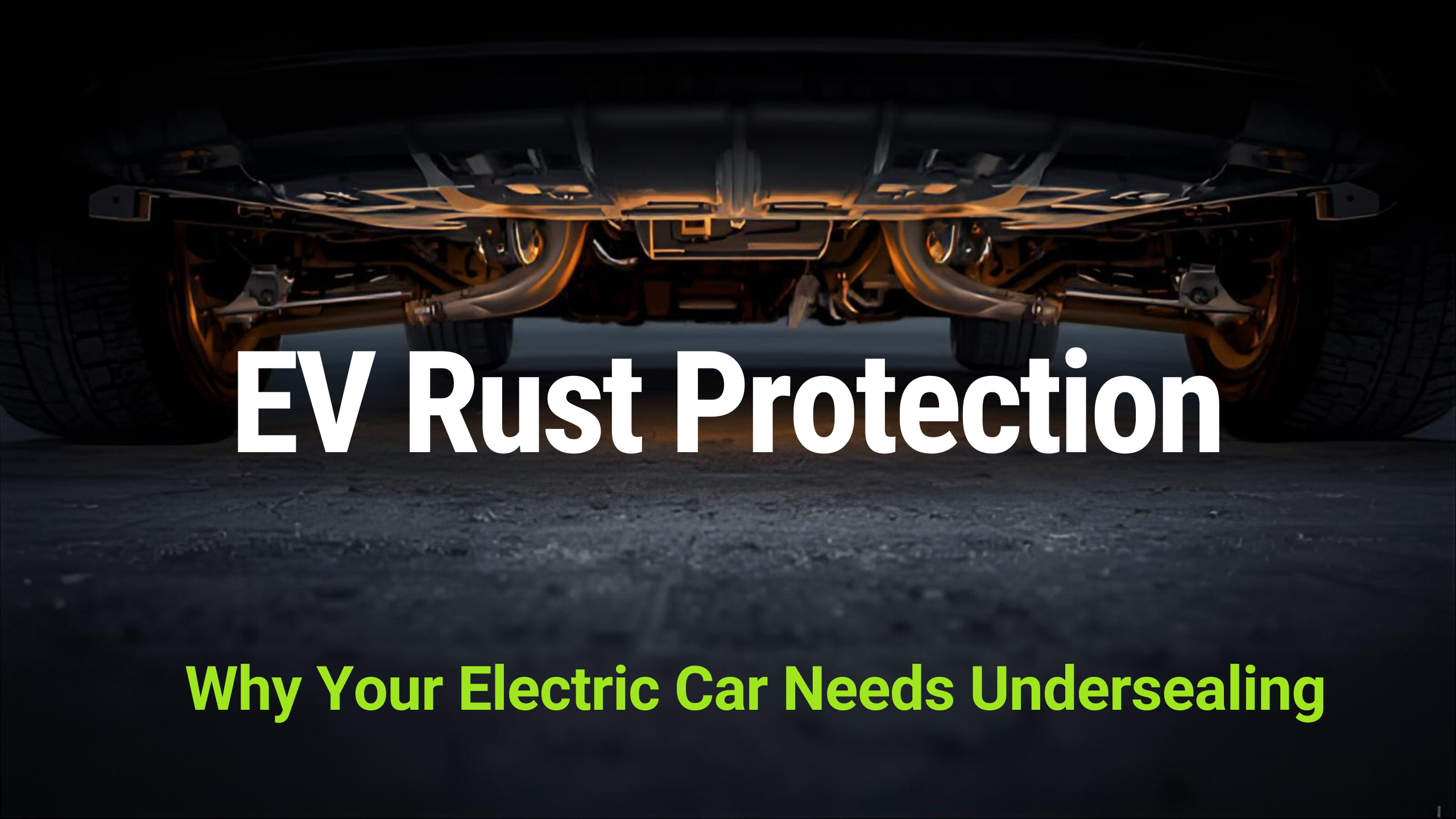
A common belief is that electric vehicles (EVs), with their advanced technology and modern construction, are somehow immune to the age-old problem of rust. This couldn’t be further from the truth. While EVs don’t have traditional exhaust systems and have fewer moving parts, the fundamental materials used in their construction—steel and aluminium—are just as vulnerable to corrosion as their petrol-powered counterparts. This brings us to a critical topic: Electric Vehicles and Rust Protection: Why EVs Still Need Undersealing.
The reality is that electric vehicles face unique challenges that make proper corrosion protection not just a recommendation, but a necessity for long-term health, safety, and value. From protecting high-voltage electrical components to maintaining structural integrity, the need for effective corrosion protection measures is paramount.
Yes, absolutely. The underbody components of electric vehicles are constantly exposed to moisture, road salt, and debris. While many manufacturers use corrosion-resistant materials and apply some level of factory protection, these are often not robust enough to withstand harsh environmental conditions over the vehicle’s lifespan.
Key areas like suspension mounts, subframes, and even the protective housing for the battery pack can be made from unpainted mild steel or aluminium, which are highly susceptible to corrosion. Without an additional layer of protection, these crucial components can weaken, posing significant safety risks.
Electric vehicles present a new set of reliability and safety concerns when it comes to corrosion. Unlike traditional cars, EVs house sensitive electrical systems and high-voltage batteries close to the ground.
The most critical part of any EV is its battery pack and the associated high-voltage systems. These are typically housed in a protective casing on the vehicle’s underbody. While designed to be sealed, corrosion can compromise this housing, allowing moisture to seep in. This can lead to serious damage to the battery, cooling systems, and other electrical components.
EVs are packed with sophisticated electrical and electronic components. Corrosion leads to increased electrical resistance in connections, which can disrupt signals and cause systems failures. Protecting electrical connectors is vital for the vehicle’s functionality. Fretting corrosion on electrical contacts can also cause intermittent failures that are difficult to diagnose.
Public discourse around electric vehicles has been shaped by various voices, including that of actor and car enthusiast Rowan Atkinson. In a widely discussed article, he raised points about the environmental impact of manufacturing EVs and questioned their role as a cure-all for transport emissions. While his comments focused on environmental aspects rather than rust, they contributed to a broader conversation about the practicalities and downsides of EV ownership.
Concerns about charging infrastructure, range anxiety, high purchase prices, and depreciation have contributed to a slowdown in EV adoption. As the used car market for electric cars grows, issues like battery degradation and potential repair costs become more prominent. Buyers are becoming more aware of the long-term ownership costs, which must include maintaining corrosion protection to avoid expensive future repairs.
A common question is, “Why do Japanese cars not rust?” This is a misconception. While many Japanese manufacturers have a reputation for reliability, their vehicles are not immune to corrosion. In fact, many imported Japanese vehicles suffer significantly from rust when exposed to the UK’s wet climate and salted winter roads.
Original equipment manufacturers design cars for a global market, and the level of factory rust-proofing may not be sufficient for specific local environmental conditions. This is why post-purchase corrosion protection is so important.
The fundamental process of corrosion remains the same for electric vehicles. It’s an electrochemical reaction that degrades metals. However, the presence of numerous electrical systems introduces additional risks.
Many EVs use liquid cooling systems to manage the temperature of the battery and power electronics. These systems have metallic components that can corrode, potentially leading to leaks. A coolant leak near high-voltage electrical equipment is a serious hazard, posing safety risks and risking catastrophic failure. Implementing corrosion protection measures is key to preventing this.
Maintaining the structural integrity of an EV is just as important as on any other car. Rust weakens the chassis and subframes, which are designed to protect occupants in a collision. Proper corrosion protection ensures the vehicle remains safe throughout its life.
To address corrosion issues effectively, advanced corrosion protection products are required. These go beyond simple paints and offer a durable, flexible barrier against the elements.
The process involves applying protective coatings to the entire underbody. These coatings are specially formulated to adhere to metal surfaces, sealing them from moisture and oxygen. A unique and proprietary formulation can offer a superior lubrication coefficient, which also helps in maintaining lubrication for certain moving parts.
Modern undersealing products contain powerful anti-corrosion inhibitors providing a chemical defence against rust. A proprietary anti-corrosive inhibitor will actively neutralise any existing rust and prevent new formation. This ensures long-term material longevity and eliminates premature failure of components.
Effective corrosion protection for electric vehicles must focus on safeguarding the electrical connections and components.
Specialised products are designed for protecting electrical connectors. These can be applied via aerosol cans, making access to tight spaces easier. By ensuring corrosion-free connections, you maintain optimal efficiency and prevent a reduced energy transfer efficiency. This simple step can prevent systems failures caused by poor electrical contacts.
A professional application ensures that all crucial components are covered. This helps avoid costly warranty service calls down the line. It also means maintenance intervals can be increased, and more importantly, greater safety is assured for the vehicle’s occupants. By choosing quality solutions from experts, you provide your EV with the best defence.
Electric vehicles are a significant investment. Addressing corrosion issues promptly is crucial to protecting that investment and ensuring your vehicle’s safety and reliability. Don’t assume your EV is safe from rust.
Preserve Protect offers professional undersealing services tailored for the unique needs of electric vehicles. We use approved synthetic materials and industry-leading techniques to provide the highest standard of corrosion protection.